
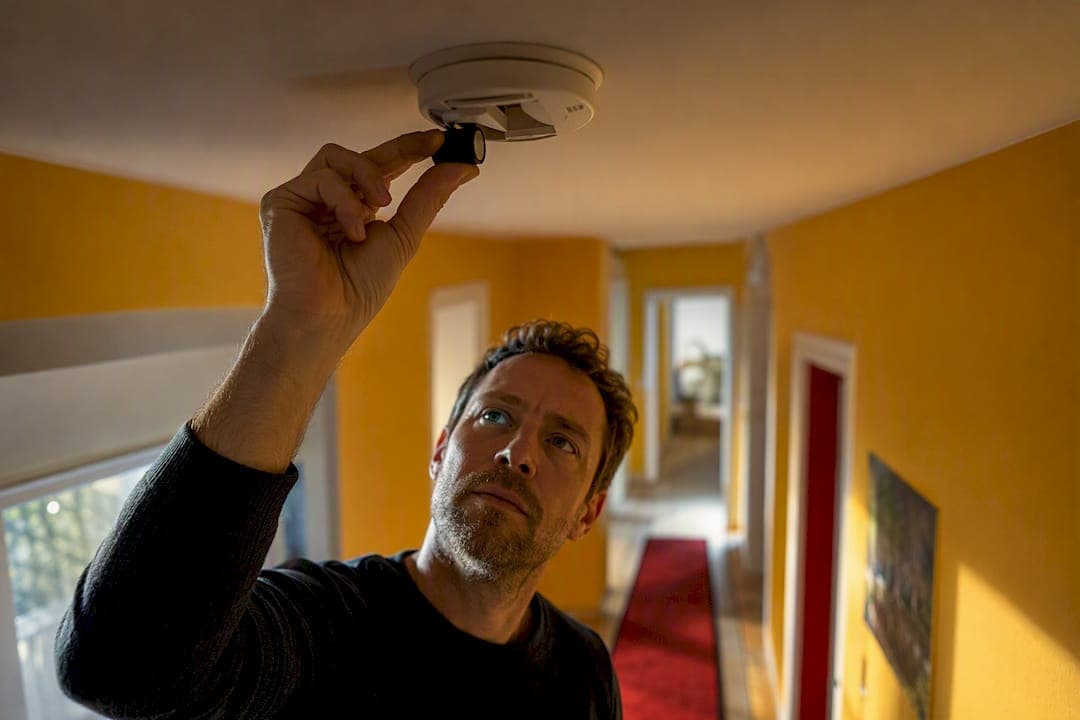
Most smoke detectors run on a 9V block, an AA cell, or a CR123A lithium, though newer units come with a sealed 10-year lithium battery built in. If your alarm chirps and takes a standard 9V or AA, swap it with a fresh one from a reputable brand. If the whole unit is past 10 years old, or the chirping continues after a new battery, replace the detector itself rather than the battery.
TL;DR:
- Replacing batteries in smoke alarms with fresh, reputable 9V or AA batteries typically restores functionality for several years, but the alarm itself should be replaced after 10 years of service.
- Manufacturers often specify different battery types within the same model, and batteries should be checked for expiry dates and capacity before purchase.
- Sealed 10-year lithium alarms eliminate maintenance but should also be replaced after a decade, matching their expected lifespan.
- If a new battery does not stop chirping, sensors may be dirty or contacts loose, and the entire unit likely needs replacing if it is past its expiration date.
- Installing interconnected mains-powered detectors with battery backup offers ongoing reliability and coverage across multiple floors.
Table of Contents
- Smoke Detector Battery Types and How to Spot Yours
- How Long Do Smoke Detector Batteries Actually Last?
- How to Replace a Smoke Detector Battery Safely
- Why Your Smoke Alarm Keeps Chirping (and How to Fix It)
- Battery-Powered, Sealed 10-Year, or Mains-Powered: What Fits Your Home?
- Buying and Testing Smoke Detector Batteries the Right Way
- A Homeowner's Habit That Actually Works
- Get the Right Battery or Tester From Akkuplus
- Sources
Smoke Detector Battery Types and How to Spot Yours
Flip your alarm over and check the battery compartment before you buy anything. Four battery families cover almost every residential smoke detector on the market:
- 9V block battery: the rectangular battery with two snap terminals on top, used in most standalone alarms and the classic choice for a smoke alarm battery replacement.
- AA alkaline (LR6): cylindrical, 1.5 volts, common in newer battery-only models and dual-sensor units.
- CR123A lithium: a compact 3-volt cylindrical cell found in some photoelectric detectors and higher-end models that prioritize longer standby life.
- Sealed 10-year lithium: built into the device at the factory and not meant to be swapped out at all.
The model number printed on the back or inside the battery door indicates what the manufacturer specifies and should be followed rather than generalized assumptions about battery type. Don't guess based on what came out. Manufacturers occasionally change the battery type between product revisions of the same model name.
When you're shopping, check three things on the packaging: the chemistry (alkaline versus lithium), the printed capacity, and the expiry date. A detailed breakdown of battery types and typical lifespans is worth a quick read if your device is an older or less common model. Stick to established brands and buy stock with at least two years of shelf life left. A cheap 9V that's already a year old on the shelf will underperform before you even open the package.
How Long Do Smoke Detector Batteries Actually Last?
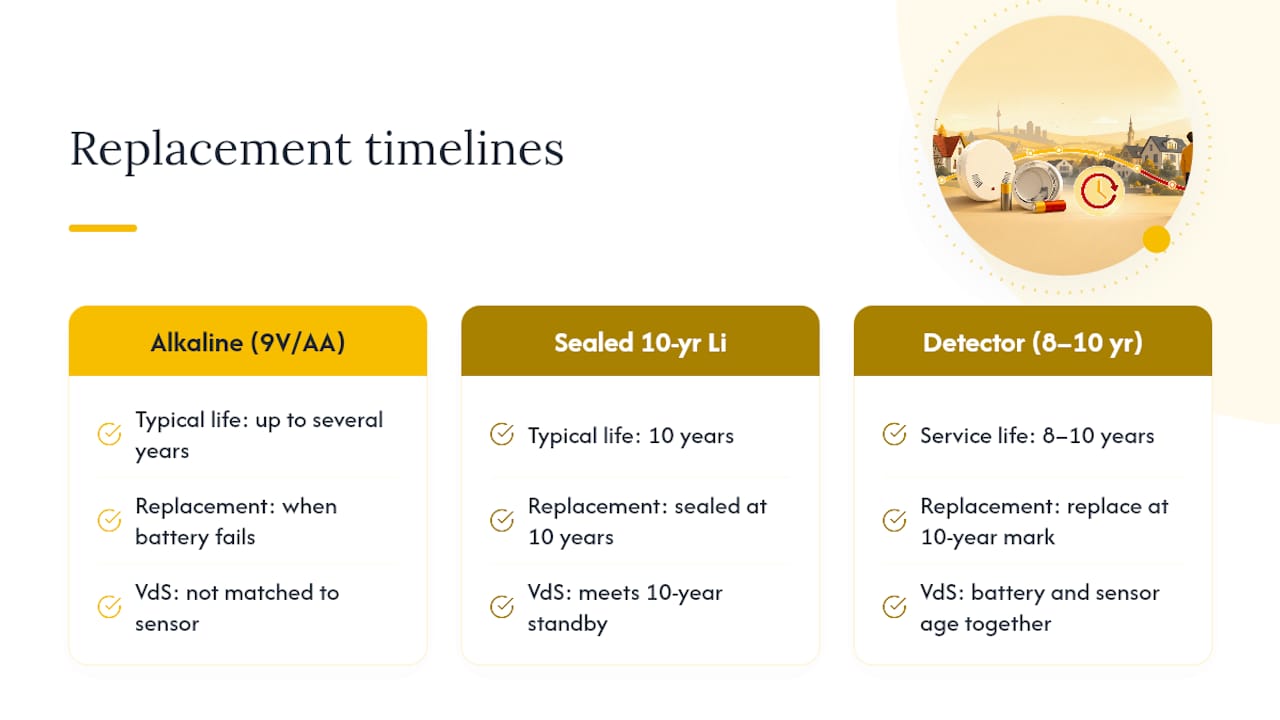
A standard alkaline 9V or AA battery in a smoke alarm typically lasts up to several years under real household conditions, though actual lifespan may vary and is usually less than the manufacturer's lab-rated battery life.
The number that matters more than battery life is the device's own service life. Verbraucherzentrale advises replacing most smoke detectors at the 10-year mark, regardless of how the batteries have performed, because the smoke sensor itself degrades with age and can't be reliably tested for sensitivity by a homeowner. Manufacturers generally state the same 8 to 10 year window.
That's also the logic behind sealed, non-removable 10-year lithium batteries. VdS 3130 guidance requires primary batteries used as standby power to deliver at least 10 years of service, matched to the device's own certified lifespan, so the battery and the sensor age out together instead of one outlasting the other. Some newer constructions require wired or networked alarm systems instead of standalone battery units; local building rules should be checked when installing new alarms.
How to Replace a Smoke Detector Battery Safely
Before you touch anything, check whether your alarm is battery-only or mains-powered with a battery backup. If the smoke alarm is wired into your home's electrical system, do not open the wiring compartment yourself; professional installation or servicing is recommended.
For standard battery-only units:
- Press and hold the test button first to confirm the current chirp or alarm state, then note the alarm pattern before you make any changes.
- Twist the detector off its mounting plate (most alarms rotate counterclockwise) or open the rear battery door, depending on your model.
- Remove the old battery and check the compartment for corrosion, dust, or a stuck contact spring before inserting the new one.
- Insert the new 9V or AA cells matching the polarity markings molded into the plastic housing. A 9V only fits one way if you look closely at the snap terminals.
- Reattach the detector to its mounting plate or close the battery door fully until it clicks or seats flush.
- Press the test button again and confirm a loud, steady alarm tone rather than a weak or delayed sound.
- Write the replacement date directly on the unit with a marker, or on a sticker inside the battery compartment.
Dispose of the old battery at a local collection point rather than household trash. Both 9V and lithium battery chemistries should be recycled properly and handled carefully to avoid hazards such as crushing or incineration.
Pro Tip: Keep one spare 9V or AA pack in a kitchen drawer specifically for alarms. When a 2 AM chirp starts, you don't want to be hunting through a junk drawer for the right size.
Manufacturer support pages, including First Alert's own replacement instructions, walk through model-specific variations if your unit doesn't match the steps above exactly.
Why Your Smoke Alarm Keeps Chirping (and How to Fix It)
Not every chirp means the same thing, and reading the pattern correctly saves you a wasted trip up the ladder.
- A single intermittent chirp every 30 to 60 seconds almost always means low battery voltage, even if the battery is only a year old.
- A continuous, loud beep pattern signals an actual smoke or CO detection event, not a battery issue. Get out and check for smoke first.
- Chirping that starts right after cleaning or moving furniture often points to dust in the sensor chamber rather than the battery at all.
If a fresh, correctly installed battery doesn't stop the chirping within a minute of testing, gently clean the sensor vents with a soft brush or a can of compressed air, then check that the unit is properly seated on its mounting plate. Loose contact springs are a common, overlooked cause of phantom chirping. If the chirping persists after all of that, and especially if the printed expiry date on the back of the unit has already passed, the detector itself has failed and needs replacing, not another battery.
Battery-Powered, Sealed 10-Year, or Mains-Powered: What Fits Your Home?
Each alarm type trades convenience against upfront cost and installation effort.
- Standard battery-only alarms (9V or AA) cost the least upfront but put the entire maintenance burden on you: testing, remembering replacement dates, and catching a failing unit before it matters.
- Sealed 10-year lithium units cost more initially but remove the human error factor almost entirely since there's no battery to forget. The EU Commission's own guidelines confirm manufacturers may sell these with non-user-replaceable batteries under Battery Regulation Art.11 when the device is certified to run 10 years without a swap.
- Mains-powered (230V) units with battery backup require an electrician for installation but offer networked alerts across multiple floors, which matters most in larger homes where you need every alarm to sound together.
Pro Tip: Renters generally do best with sealed 10-year units since there's nothing to maintain before you move out. Owners of multi-floor houses should look seriously at interconnected mains-powered systems, where one triggered alarm sounds every unit in the house.
Buying and Testing Smoke Detector Batteries the Right Way
Read the packaging before you buy, not after you've already opened it. Confirm the chemistry matches your device label, check the printed voltage and capacity, and look for a manufacture or expiry date within the last year or two of production. A battery that's sat on a warehouse shelf for three years won't deliver its rated capacity even if it's technically unused.
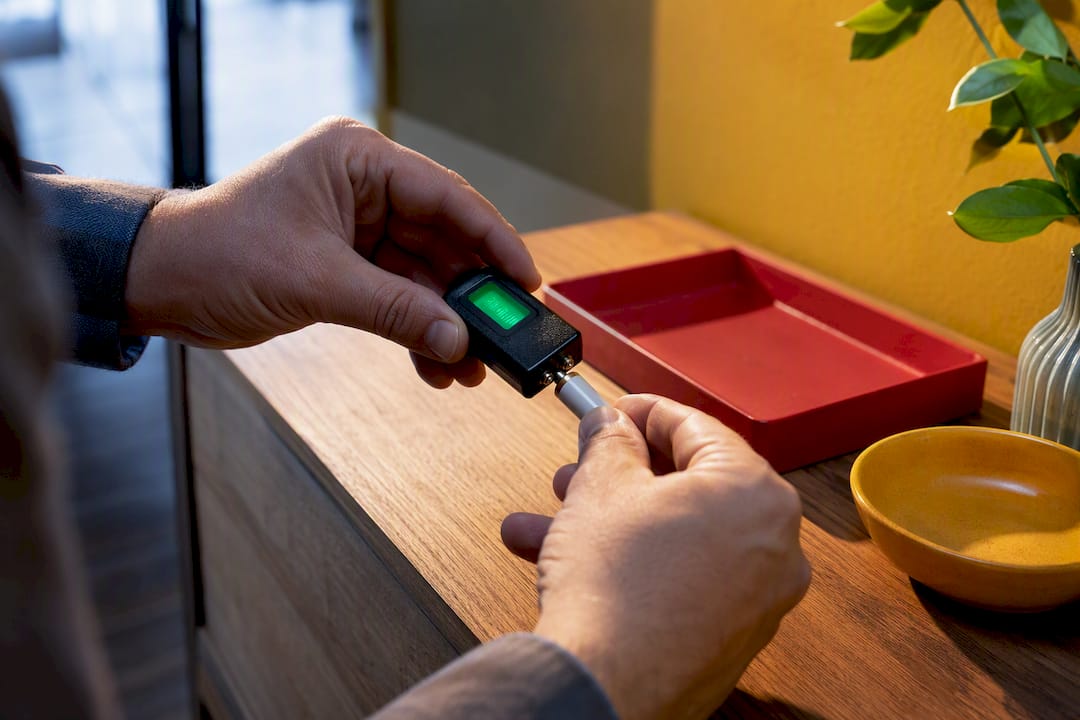
Akkuplus stocks AA alkaline cells and lithium options suited to smoke alarms, along with a simple battery tester worth running on any new battery before installation. Ten seconds under a tester confirms full charge and saves you a ladder trip if the pack turns out to be weak.
A Homeowner's Habit That Actually Works
Pick one date every year and check every alarm in the house on that same day. Write the manufacture date or installation date directly on each unit with a marker. It sounds almost too simple, but a fixed annual date beats "I'll get to it eventually" every single time, and it's the difference between catching a dying unit early and finding out the hard way.
— Waldemar
Get the Right Battery or Tester From Akkuplus
Akkuplus skips the guesswork that sends most people to a hardware store aisle unsure which pack fits their alarm. Check your detector's battery door for the model number, then match it against Akkuplus's stock: AA alkaline cells for standard alarms, Energizer Ultimate Lithium AA for longer standby life, and CR2 lithium photo batteries for detectors that call for that format.

Once the new battery is in, run it through a battery tester or the LCD version with a visual readout before you close the compartment. It takes seconds and confirms the pack is at full strength rather than trusting the packaging alone. Check your alarm's label, order the matching battery type from Akkuplus, and test it before you mount it back on the ceiling.
Sources
- Rauchmelder austauschen: Wann es nötig ist und worauf Sie achten sollten | Verbraucherzentrale
- EU Commission guidance and commentary on Battery Regulation Art.11 and smoke alarms (Q-certified commentary)
- VdS-Richtlinien für Rauchwarnmelder mit einer externen Stromversorgung (VdS 3130)
- How to Replace 9V Batteries on Smoke or CO Alarms | First Alert support