

For most households, the right answer is ready-to-use, low-self-discharge NiMH AA cells paired with a smart charger. That single combination covers remotes, toys, flashlights, and game controllers without the fuss of conditioning cycles or dead-on-arrival packs.
A few exceptions matter. High-drain gear like flash units or high-power torches benefits from high-capacity NiMH cells, even though they trade some cycle life for extra runtime. Devices that sit in freezing garages or emergency kits are better served by disposable lithium AAs, which hold up better in cold conditions where NiMH chemistry struggles.
Here's the immediate move if you just want this handled:
- Buy two matched sets of low-self-discharge NiMH AA cells (eight cells total covers most homes)
- Pair them with a smart charger that monitors each cell individually
- Set aside disposable lithium AAs only for cold-weather or backup devices
Key Takeaways
Ready-to-use low-self-discharge NiMH cells paired with a smart charger deliver the best combination of cycle life, convenience, and long-term cost for nearly every household device.
| Point | Details |
|---|---|
| Default chemistry | Choose low-self-discharge NiMH for most devices; it balances shelf life and cycle count better than high-capacity cells. |
| Match capacity to drain | Use standard mAh cells for remotes and clocks, higher mAh for cameras and flash units. |
| Charger matters most | A smart charger with per-cell monitoring and delta-V detection prevents the overcharging that kills batteries early. |
| Store at partial charge | Keep long-term storage cells around 40 to 60 percent charged in a cool, dry place. |
| Buy from a spec-transparent retailer | Akkuplus lists mAh, cycle life, and chemistry on every battery and charger page for direct comparison. |
Table of Contents
- What Are the Different Rechargeable AA Battery Chemistries?
- Which mAh Capacity Fits Your Device?
- Which Charger Features Actually Protect Your Batteries?
- How Do You Store and Care for NiMH Batteries to Maximize Lifespan?
- Are Rechargeable AA Batteries Actually Cheaper Long-Term?
- What Should You Check Before Buying Rechargeable AA Batteries?
- Why Longevity Beats Raw Capacity Every Time
- Where to Buy Rechargeable AA Batteries and Chargers
- Sources
What Are the Different Rechargeable AA Battery Chemistries?
AA describes a physical size, not a chemistry, and that distinction trips up a lot of shoppers. Modern rechargeable AA cells are almost always nickel metal hydride (NiMH), which runs at a nominal 1.2 volts compared to disposable alkaline's 1.5 volts. That 0.3 volt gap sounds like a problem, but most electronics tolerate it fine because their circuits are designed around a voltage range, not one exact number.
Within NiMH, you're choosing between two philosophies. Low-self-discharge (LSD) cells, sold under names like Eneloop, hold their charge for months on a shelf and typically deliver more total charge cycles over their life, according to VoltRated's testing. High-capacity "Pro" NiMH cells pack in more milliamp-hours per charge but wear out faster, often lasting around 500 cycles instead of the 1,000 to 2,000 LSD cells can reach.
A newer option is USB-C rechargeable lithium AA-style cells, which output a true 1.5 volts. That makes them worth considering for older cameras or voltage-sensitive gadgets that misbehave on 1.2 volts. The trade-off is higher upfront cost and less universal charger compatibility.
- Disposables still make sense for smoke detectors in rarely-checked locations or gear stored for years without use
Which mAh Capacity Fits Your Device?
Match the capacity rating to how hard the device actually drains the battery, not to whichever number looks biggest on the shelf. Low-drain devices, think remote controls, wall clocks, and smoke detectors, sip power slowly and do fine with standard low self-discharge NiMH cells that will outlast the device itself.
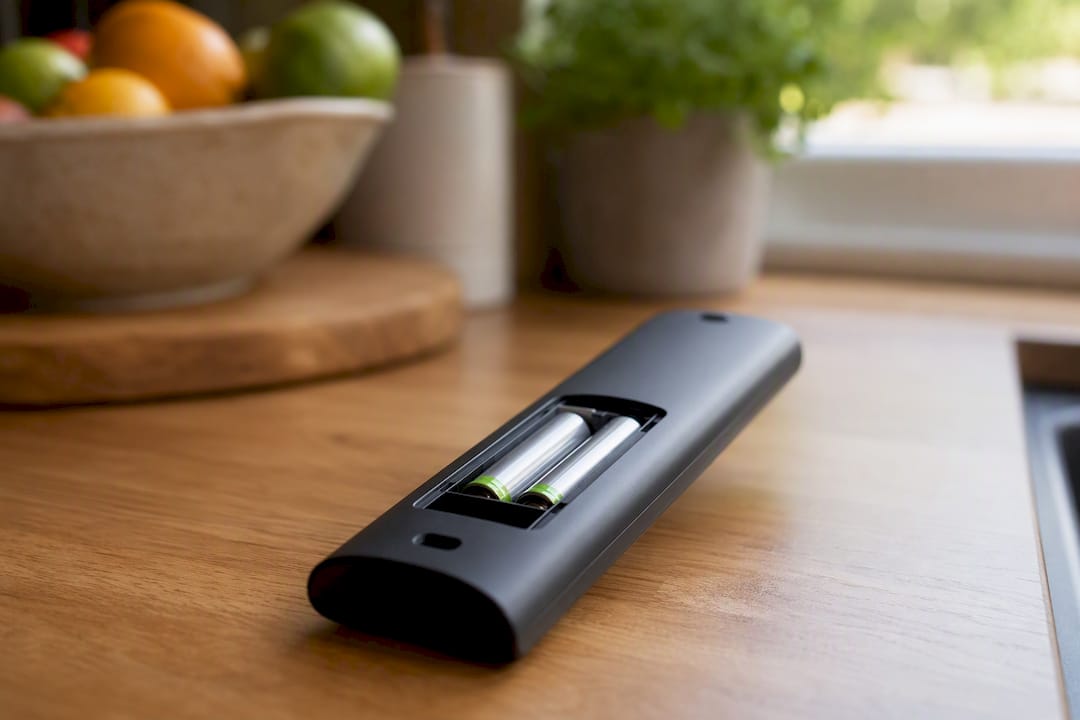
Mid-drain electronics, cordless mice, LED lanterns, kids' toys, pull harder and benefit from mid-range capacity cells. High-drain gear, camera flashes, high-output flashlights, some game controllers, are where higher capacity cells start to matter more.
The catch, as CMBatteries' guide notes, is that packing more capacity into the same cell size usually shortens cycle life. That's fine for a flash unit you charge occasionally, but it's the wrong trade for a TV remote you'd rather never think about again.
- Remotes and clocks: standard-capacity LSD NiMH, prioritize shelf life over runtime
- Cameras and flash units: high-capacity NiMH, prioritize runtime over cycle count
- Toys and mid-drain gadgets: mid-range capacity balances both
Which Charger Features Actually Protect Your Batteries?
A basic charger that just dumps current into a cell until a timer runs out is one of the fastest ways to kill NiMH batteries early. The Maha Energy blog points to overcharging and heat exposure as leading causes of premature failure, and a smart charger is built specifically to avoid both.
Look for these features when picking a charger:
- Independent per-cell channels, so one weak cell doesn't drag down the charging of the others in the batch
- Delta-V (or -dV) detection, which senses the voltage drop that signals a full cell and cuts current automatically
- Temperature monitoring, since heat buildup during charging is a major degradation trigger
- A capacity test or refresh mode, useful for spotting cells that are losing their punch
Charging speed involves a real trade-off: fast chargers are convenient but run hotter, while slower overnight charging is gentler on cell chemistry. If you have the patience, slower wins on longevity.
Pro Tip: Never put alkaline disposables in a charger, and never use a lithium-ion charger meant for other formats on NiMH cells. Mismatched chargers can vent, leak, or in rare cases rupture the cell.
How Do You Store and Care for NiMH Batteries to Maximize Lifespan?
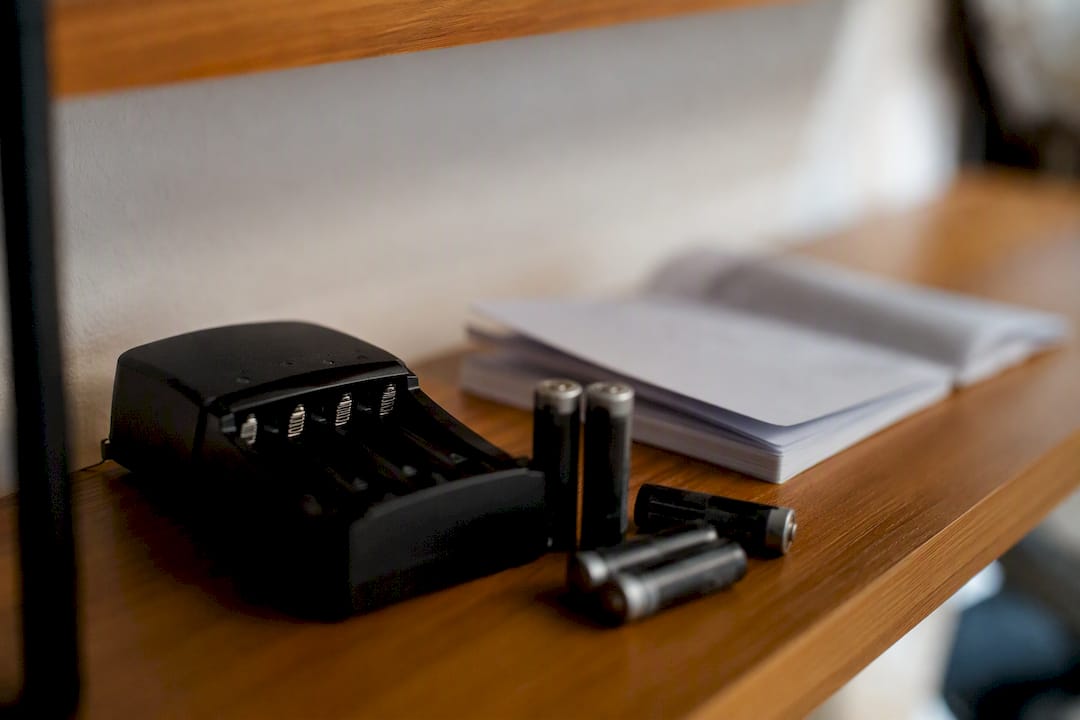
Storage habits matter almost as much as charging habits. For long-term storage, aim for a partial charge, roughly 40 to 60 percent, rather than leaving cells fully charged or fully drained for months at a time. Heat is the enemy here too: a cool, dry drawer beats a warm garage shelf every time.
- Pull cells from the charger promptly once they signal full rather than leaving them to trickle-charge for hours
- Keep sets of four or eight together and mark them with a date or number so you're not mixing cells of different ages
- Rotate sets between devices so no single pack gets stuck doing all the heavy lifting
- When a cell starts underperforming, demote it to a low-drain device like a clock instead of tossing it immediately
Independent testing on charging mistakes found that mixing ages and brands within a set is one of the most common, and most avoidable, causes of a battery pack's early decline, a pattern the Maha Energy analysis documents in detail. Set-matching alone can add meaningful life to a pack that would otherwise fail unevenly, cell by cell.
Are Rechargeable AA Batteries Actually Cheaper Long-Term?
The math favors rechargeables faster than most people expect. CMBatteries estimates that for any device swapping batteries twice a year or more, rechargeables typically pay for themselves within 6 to 12 months. After that, you're mostly paying for electricity, which is a fraction of a cent per charge.
| Battery Type | Typical Cycle Life | Best Fit |
|---|---|---|
| LSD NiMH (standard capacity) | ~1,000 to 2,000 cycles | Remotes, clocks, everyday mixed use |
| High-capacity NiMH ("Pro") | ~500 cycles | Cameras, flashes, high-drain gear |
| Disposable alkaline/lithium | 1 cycle (non-rechargeable) | Cold storage, emergency devices |
A device using four disposable AAs monthly burns through 48 batteries a year. A single set of LSD NiMH cells can realistically cover that same year, and several more after it, before retiring to a lower-drain role. Beyond the savings, every disposable avoided is one less cell heading to landfill; Call2Recycle runs collection infrastructure specifically so spent rechargeables get processed instead of thrown out.
What Should You Check Before Buying Rechargeable AA Batteries?
- Default to ready-to-use LSD NiMH cells and buy at least two matched sets so one is always ready while the other charges
- Pick a smart charger with per-cell monitoring and automatic shutoff, not a basic timer-based unit
- Check the mAh rating against your device's actual drain, and look for a stated cycle-life or warranty figure on the packaging
- Confirm the cells are sold pre-charged and ready to use, not requiring an initial conditioning cycle
- Consider a simple battery tester to check capacity and catch a weakening cell before it fails inside a device
Specification pages that clearly list mAh, cycle count, and chemistry make comparison shopping far less of a guessing game than packaging claims alone.
Why Longevity Beats Raw Capacity Every Time
The industry loves to sell capacity. Bigger mAh numbers look better on a shelf sticker, and it's an easy number to compare at a glance. But the research on cycle life tells a different story: a high-capacity Pro cell rated for 500 cycles that dies in two years is often a worse deal than a standard LSD cell rated for triple that, even if the LSD cell holds slightly less charge per session.
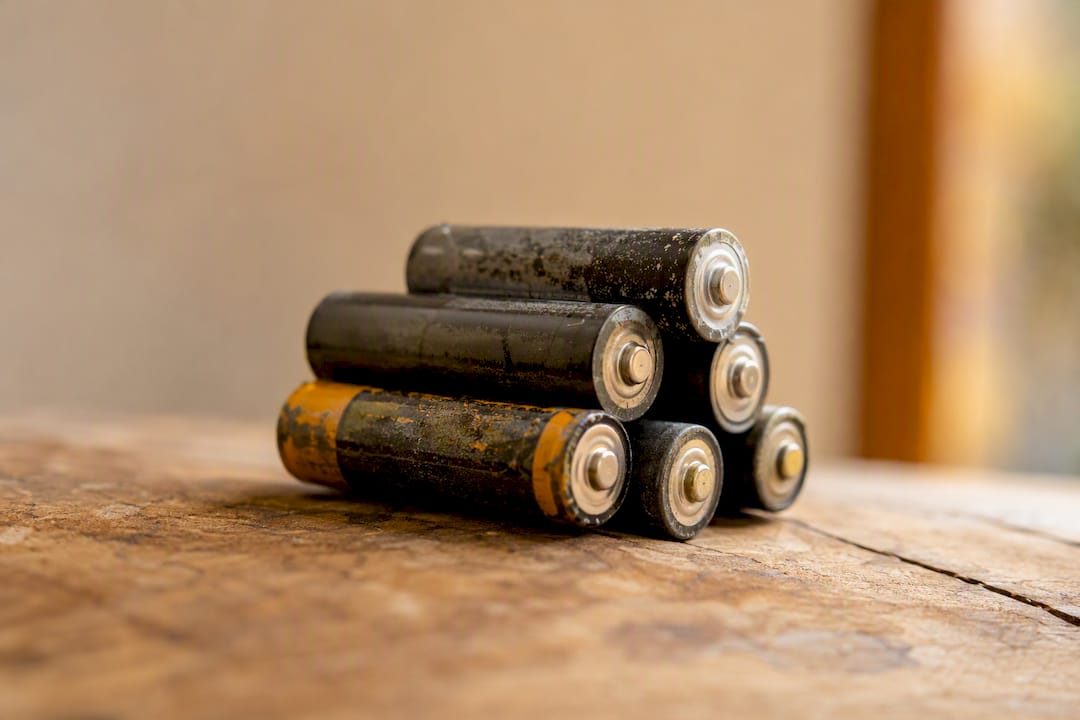
Conventional advice tends to stop at "get NiMH instead of disposables" and leave it there. That's true but incomplete. The bigger lever most people ignore is the charger. A cheap charger with no per-cell monitoring will slowly wreck even the best cells through overcharging and heat, which means the charger is arguably a more important purchase decision than the batteries themselves.
If there's one thing to prioritize first, it's buying the charger and the cells as a matched system rather than treating the charger as an afterthought. Set-matching and prompt removal from the charger cost nothing and add real years to a pack's service life. That's the unglamorous habit that actually pays off.
— Waldemar
Where to Buy Rechargeable AA Batteries and Chargers
Akkuplus stocks the exact categories this guide points to: low-self-discharge and high-capacity NiMH AA cells, smart chargers built with per-cell monitoring, and testers for checking a pack's real-world condition.
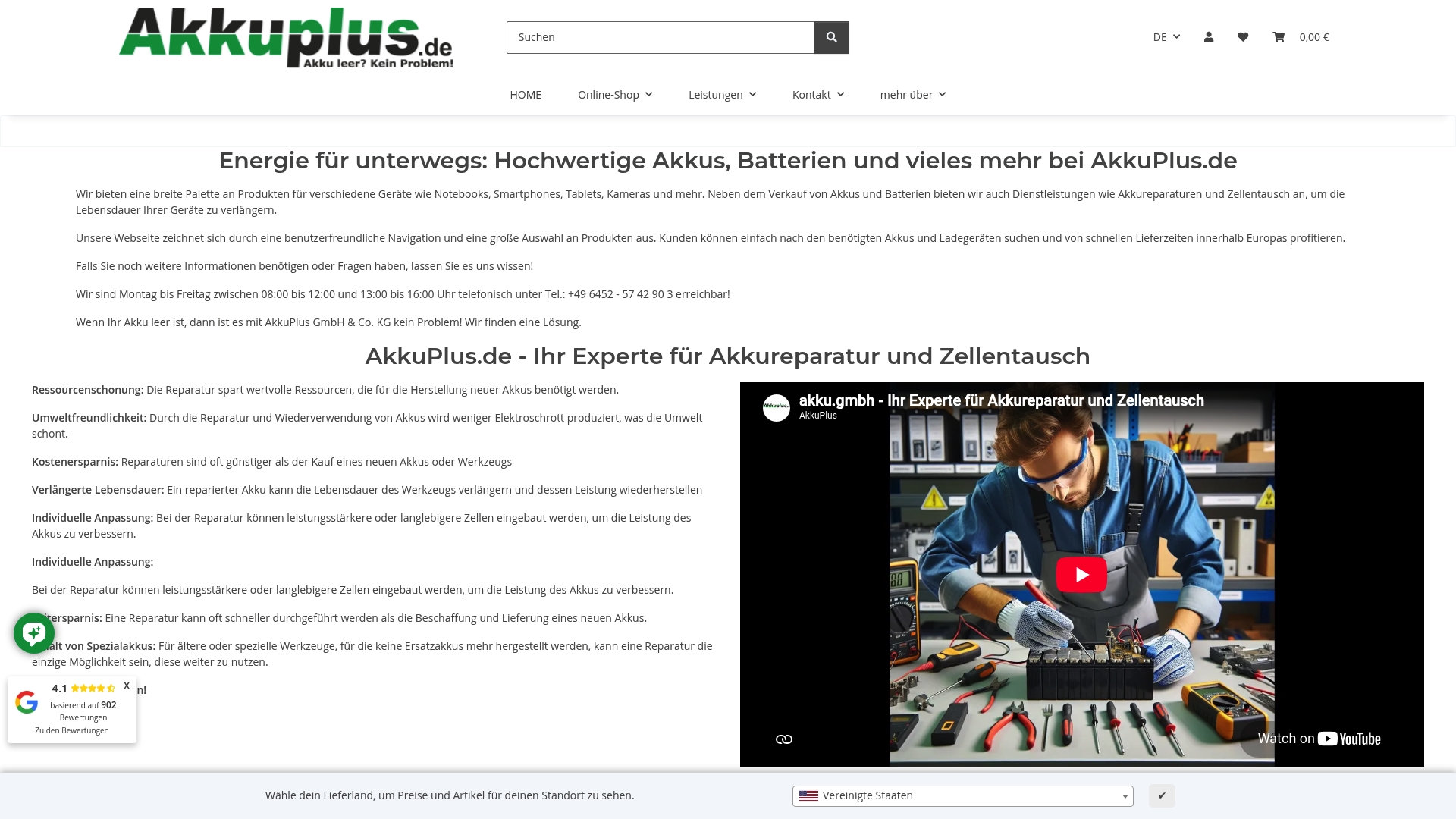
Every product page lists the specs that actually matter, mAh rating, cycle expectations, and chemistry, so you're not left guessing between similar-looking packs the way you might on a marketplace listing. Akkuplus ships across the regions it serves with standard return options, and support is available if you're not sure which cell or charger fits your device. If you're ready to stop replacing disposables every few weeks, start with a battery tester to check what you already own, then browse the full battery and charger range to build out a matched set.
Sources
- The Best Rechargeable AA Batteries (2026) - VoltRated
- AA battery — Wikipedia
- Mistakes That Shorten NiMH Rechargeable AA Battery Life — Maha Energy blog
- AA Battery Guide: Chemistry, Capacity, Charging & How to Choose - CMBatteries