

For most lithium-ion power tool and electronics packs, a professional rebuild or matched replacement beats a DIY cell swap. The chemistry is unforgiving, the tools are specialized, and a punctured cell can mean fire. DIY is reasonable only for basic external fixes or older NiMH and NiCd packs running at low voltage. Professional diagnostic and replacement services are recommended for those who want the professional route without the guesswork.
TL;DR:
- DIY rebuilds are risky for lithium-ion packs due to potential cell puncture, heat damage, and proprietary BMS restrictions, making professional service safer.
- Professional teams use controlled disassembly, spot welding, and precise testing to ensure safe, balanced, and compliant cell replacement, which DIY cannot reliably replicate.
- Rebuilding costs vary depending on pack size and certification requirements, with larger or specialized packs typically costing more and taking longer due to sourcing matched cells and reprogramming.
- Reputable refurbishers perform capacity, resistance, and safety tests before and after rebuilding, provide documentation, and often include limited warranties for quality assurance.
- For older or expensive packs, rebuilding can be cost-effective, but visible damage or unconfirmed BMS compatibility should generally lead to full replacement or professional diagnosis.
Table of Contents
- What Does Professional Battery Pack Rebuilding Involve?
- DIY vs. Professional Refurbishment: What's Actually Different?
- Should You Rebuild, Replace, or Send It to a Shop?
- What Do Reputable Refurbishers Charge and How Long Does It Take?
- What Does a Technician Actually Do During a Rebuild?
- How Akkuplus Supports Safe Rebuilds and Replacements
- The Trade-off Between Waste Reduction and Safety
- Get Your Pack Inspected or Find a Matched Replacement
- Sources
What Does Professional Battery Pack Rebuilding Involve?
A rebuild is not "open the case, swap some cells, then close it up." It's a sequence, and skipping a step is usually where things go wrong.
- Intake and safe discharge: the pack gets brought down to a safe voltage before anyone opens it.
- Controlled disassembly: the case comes apart without puncturing or short-circuiting individual cells.
- Cell-level testing: technicians check open-circuit voltage (OCV), DC internal resistance, and actual capacity in amp-hours (Ah) against the rated spec.
- Grading: cells that test within a tight tolerance of each other get grouped together; weak or mismatched cells get pulled.
- Replacement with matched-spec cells: new cells go in with voltage and capacity specs that mirror the surviving ones, which matters more than people expect.
- Reassembly and BMS validation: the battery management system gets checked or reprogrammed, then the pack runs through final testing.
Two standards govern this work. IEC 62133 testing and CB certification covers safety requirements for portable lithium and nickel-based cells, while UN38.3 governs whether a rebuilt pack can legally ship. Reputable shops also lean on calibrated instruments, and for higher-value or second-life packs, some use electrochemical impedance spectroscopy (EIS) to get a more accurate read on a cell's internal health than a simple voltage check allows.
DIY vs. Professional Refurbishment: What's Actually Different?
The honest answer: it depends on what's inside the pack. Prying open a sealed lithium-ion case with a metal screwdriver is one of the most common ways hobbyists puncture a cell, and a punctured lithium cell can go into thermal runaway in seconds. Professional shops work with fire-rated blankets, dedicated lithium fire extinguishers, and ventilated bays specifically because that risk is real, not theoretical.
Tooling matters just as much. Pros use spot welders to attach nickel strips to cell terminals, because the process avoids the sustained heat that a soldering iron applies directly to the cell body, which can damage the internal separator. A typical home toolkit doesn't include a spot welder, so soldering becomes the fallback, and it's the fallback that causes failures.
Then there's the battery management system. Many modern packs, especially from major power tool brands, run proprietary BMS firmware that locks the pack or refuses to recognize new cells unless it's reset or reprogrammed with manufacturer-specific tools. That single detail sinks more DIY rebuild attempts than bad soldering does.

DIY still makes sense in narrower cases: swapping a broken external connector, replacing a battery holder, or rebuilding a simple NiMH or NiCd pack with no BMS lock and low-voltage cells.
Pro Tip: If your pack won't take a charge after a cell swap and the charger light blinks or refuses to start, that's often the BMS refusing to recognize non-matched cells, not a wiring mistake. Don't keep re-soldering. That's the point to stop and get it evaluated.
Should You Rebuild, Replace, or Send It to a Shop?
Run through this before you touch a screwdriver:
- Chemistry first. Lithium-ion and lithium-polymer packs carry real fire risk if opened carelessly. NiMH and NiCd are more forgiving.
- Age and cell availability. If the pack uses a common cell format like an 18650, matched replacements are easy to source. Obscure or discontinued formats push you toward professional help or full replacement.
- Visible damage. Swelling, cracking, or any sign of leakage means stop and get it checked, not "finish the job carefully."
- Cost comparison. Price a matched replacement pack against rebuild parts and labor before committing either way.
- How critical the device is. A pack running a safety tool or something you can't be without for days should go to a professional, full stop.
- Warranty status. Opening a pack under warranty usually voids it.
- BMS lock risk. If you can't confirm the BMS will accept new cells, budget for professional reprogramming or skip the rebuild.
Before deciding anything, do two safe checks: measure open-circuit voltage with a multimeter, and look the pack over for swelling or leakage. If either check raises a flag, stop there. As a rule of thumb, rebuilding tends to pay off on older, expensive packs where a matching replacement costs nearly as much as a new tool. Cheap retail packs are often cheaper to replace outright.
What Do Reputable Refurbishers Charge and How Long Does It Take?
Pricing varies by pack class, and any shop quoting a number before seeing the pack is guessing. As a general frame: small consumer electronics packs tend to sit at the low end of the cost range, large power-tool packs cost more because of cell count and matched-cell sourcing, and specialty packs (medical, industrial, e-bike) run higher still due to certification and testing overhead required under IEC 62133 and UN38.3 compliance.
Turnaround depends less on labor and more on parts. The most common delay is sourcing cells that actually match the surviving ones in voltage and capacity, followed by BMS diagnostic or reprogramming work when the pack locks.
What separates a reputable shop from a fast-and-cheap one:
- A pre-rebuild capacity and resistance readout, so you know the pack's actual condition before work starts.
- A post-rebuild readout confirming the new cells balance correctly.
- Some form of guarantee or limited warranty on the rebuilt pack, even if it's shorter than a new-pack warranty.
- Clear documentation of which cells went in and their spec.
Professional rebuilding tends to produce more consistent outcomes than an ad-hoc DIY fix, mainly because pros run capacity and resistance tests DIY attempts typically skip.
What Does a Technician Actually Do During a Rebuild?
This is a high-level look at the professional workflow, not a DIY instruction set. Cell-level rebuilding on lithium chemistries carries real fire and toxic-vapor risk, and it belongs in a controlled facility with proper equipment.
- Discharge the pack to a safe voltage using controlled load equipment before any disassembly begins.
- Open the case using non-metal tools designed to avoid cell punctures.
- Test every cell for OCV, internal resistance, and capacity, then sort by grade.
- Select matched replacement cells and attach them with spot welding rather than soldering, which avoids heat damage to the cell body.
- Balance the new cell group tightly, since production-grade packs typically need voltage spreads within a few millivolts per cell to avoid imbalance.
- Validate or reprogram the BMS so it recognizes the new cells correctly.
- Run final safety and, where applicable, transport compliance checks.
For higher-value or second-life packs, some facilities go further with EIS testing and capacity cycling to characterize cell health more precisely than a basic voltage check allows, an approach detailed in second-life battery research covering EU-funded reuse programs. EU initiatives like the REBORN project are also pushing solderless connections and semi-automated dismantling, which should make professional rebuilds faster and safer in the coming years.
How Akkuplus Supports Safe Rebuilds and Replacements
Batteries, chargers, and accessories across automotive, household, and electronic categories are available, along with fee-based repair services including cell replacement and refurbishment for specialized battery packs. If you're weighing a rebuild against a full replacement, the practical first step is sending in the pack's model number, a description of the symptoms, and a couple of photos of the casing and terminals.
For common formats, replacement is often simpler than a rebuild. Cells like the Samsung ICR18650-22F are available for readers sourcing matched replacements themselves, along with pre-built replacement packs for power tools designed for self-installation when a full pack swap makes more sense than a rebuild.

The Trade-off Between Waste Reduction and Safety
Rebuilding a pack instead of tossing it is genuinely good for reducing waste, and I'd rather see more packs refurbished by people who know what a tight cell balance actually looks like. What worries me is the growing pile of forum threads treating lithium cell swaps like a weekend project. Before you hand over a pack, ask a refurbisher what standards they test against and whether they'll show you a before-and-after capacity readout. If they can't answer either question clearly, that's your red flag.
— Waldemar
Get Your Pack Inspected or Find a Matched Replacement
If you've read this far and you're still not sure whether your pack is a rebuild candidate or a lost cause, that uncertainty is exactly why a diagnostic check beats guessing. A professional service provides an alternative to blind DIY cell swapping: send in your pack's details and get an actual OCV, resistance, and capacity readout before anyone opens a case.
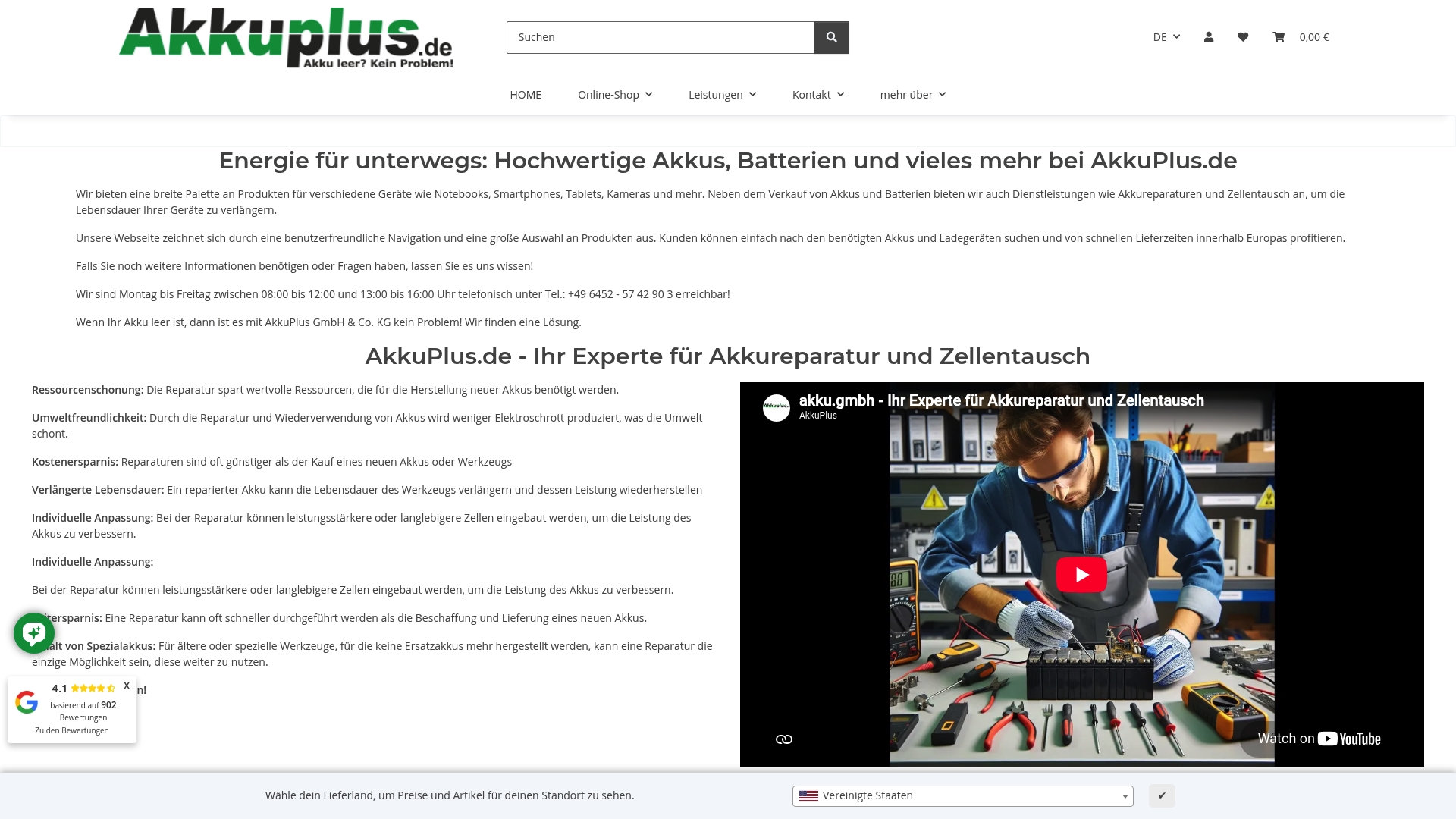
Beyond diagnostics, Akkuplus stocks matched replacement packs for common power tool models, including Hitachi-compatible 12-volt packs built for self-installation, plus standalone testers like the LCD battery tester for standard and camera batteries if you want to run your own preliminary voltage checks before deciding. Start by browsing available battery and repair options or requesting a diagnostic quote with your pack's model number and photos. Inspection requests typically receive an initial read on pack condition within a few business days.
Sources
- A review of the technical challenges and solutions in maximising the potential use of second life batteries (White Rose Research)
- REBORN project — CORDIS (EU research)